
1. Project Overview
A smart warehouse integrates informatization, IoT, and electromechanical systems to optimize logistics operations, reducing storage costs, improving efficiency, and enhancing management capabilities.
l Basic Network Coverage: Essential for connectivity.
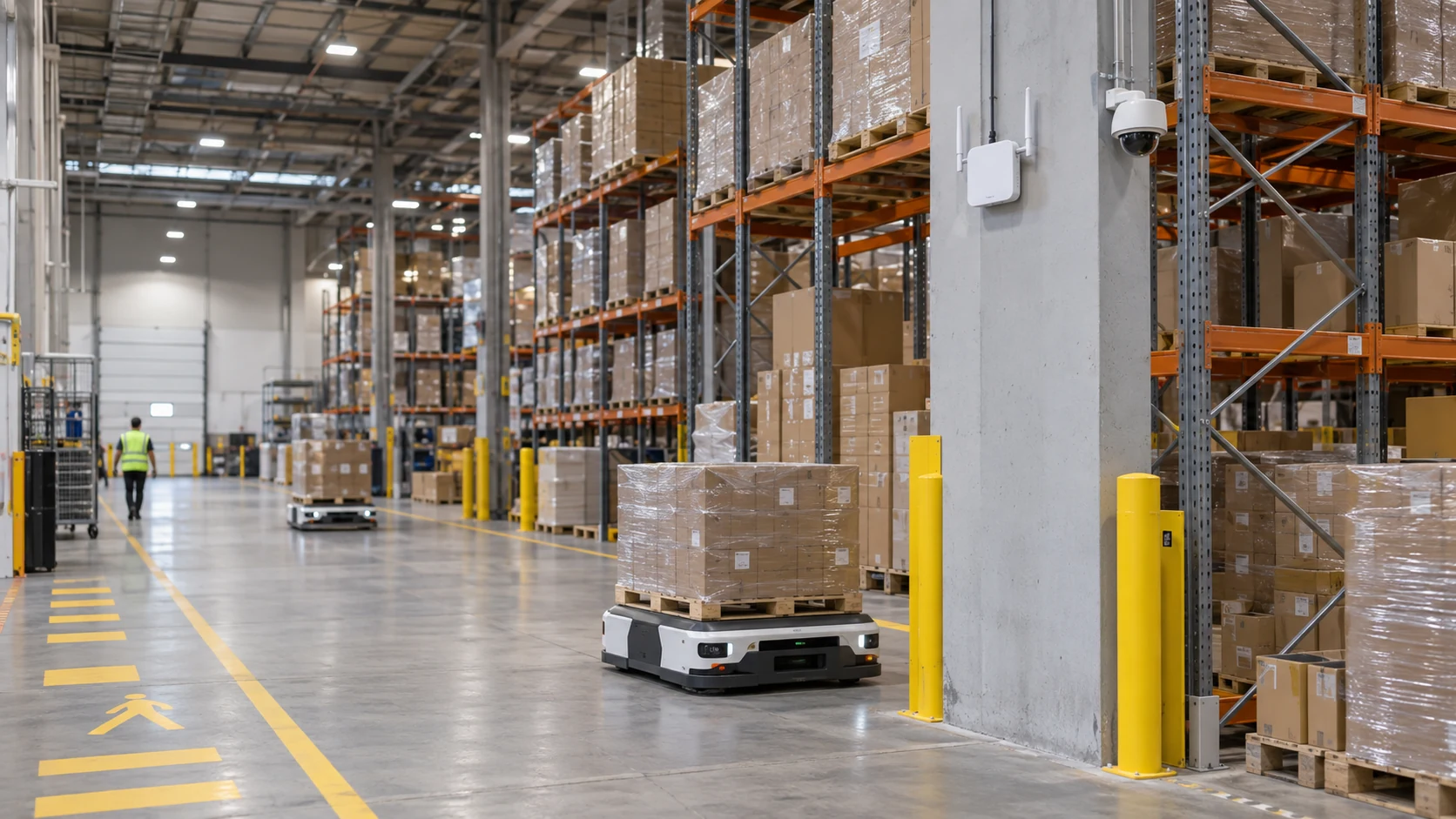
l Safety Standards: Fire prevention, theft detection such as automated aisle monitoring, unauthorized access alerts, smoke detection alarms.
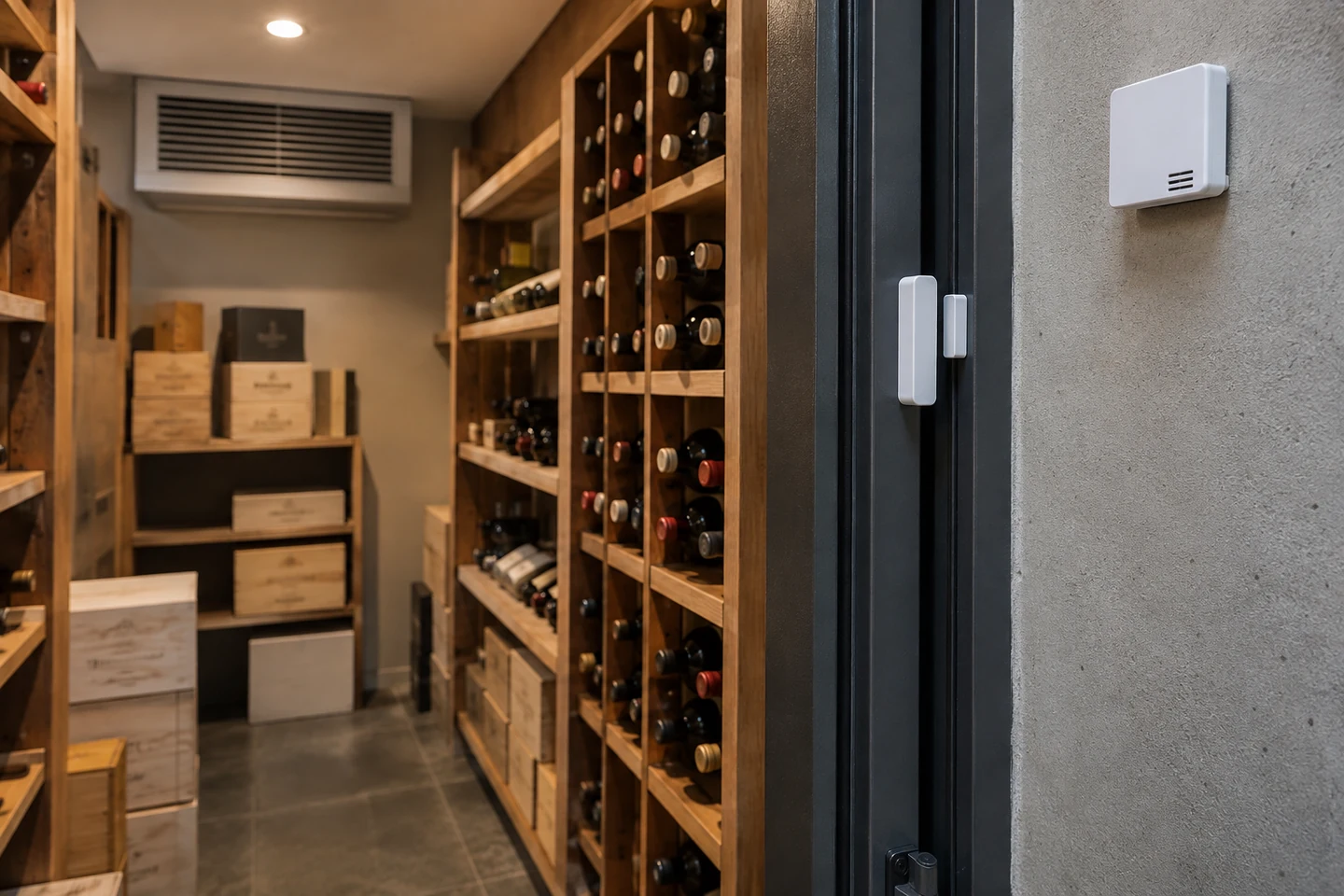
l Environmental Control: Critical for specialty warehouses (such as, wine, dried citrus peel, spices, wooden crafts requiring precise temperature and humidity regulation.
l Advanced Features: Barcode-based inventory entry, robotic delivery systems, real-time tracking of personnel and goods.
2. Demand Analysis
To address warehouse management and security needs, Todaair leverages its expertise in Wi-Fi coverage and AIoT systems to deliver intelligent, cloud-visualized solutions. These ensure operational efficiency, stability, and security while providing robust technical support.
3. Solution Design
The smart warehouse ecosystem is divided into three layers:
1) Front-End
Wireless APs: Transmit environmental data (temperature, humidity) and inventory classification.
2) Back-End
Control Center: Centralized management of environmental controls (HVAC systems) and security monitoring.
3) Mid-End
l Wireless Connectivity: Bridges sensors, cameras, PDA devices, and terminals to the control center.
l Sensors: Temperature/humidity sensors, door contact switches transmit data via Wi-Fi.
l Cameras: Stream surveillance footage wirelessly.
l PDA: Log inventory data into the system.
l Other Devices: Through the construction of scenarios, corresponding to different situations to make the corresponding processing. For example: Take the constant temperature of the wine warehouse as an example, when the room temperature exceeds 12℃ detected by the temperature sensor, open the ventilation equipment to cool down, and when the room temperature exceeds 15℃, close the ventilation device and open the air conditioner to regulate the temperature. Take the anti-theft of the warehouse as an example, when the door magnetism is detected to be opened abnormally, it will send out a warning notification, trigger the camera to detect the action, capture and notify the administrators of the alarm.
4) Topology Diagram

4. On-Site Implementation
5. System Features
l Data Visualization: OSD data overlay for real-time monitoring.
l Status Tracking: Real-time device and network health checks.
l Remote Management: Adjust parameters, toggle power outputs via cloud.
l Hardware Flexibility: Compatible with most market devices (cameras, sensors, gateways).
l Fault Alerts: Auto-diagnose issues with SMS/email notifications.
l Anti-Theft Tracking: GPS-based device location tracking.
l Multi-Platform Control: Accessible via PC, mobile, or tablet.
l Secure Data Storage: Full-cycle encrypted data retention.
6. Core Value Proposition
1) Holistic Integration
Turnkey hardware-software solutions with customizable modules.
Supports one-click cloud integration, widely applied in smart warehouses, agriculture, and security.
2) Universal Connectivity
Multi-interface compatibility (cameras, sensors, LED displays, gateways).
Serves as an IoT hub for data aggregation and intelligent decision-making.
Effortless Maintenance
3) Todaair Cloud Management Platform:
Auto-detects faults, generates alerts, and logs incident details.
Monitors device statuses in real time.
Enables remote power cycling and parameter adjustments.